Hey everyone, it’s Jake here, part of the team at [our company name] – yeah, the pre-assembled IBC tank supplier you might’ve seen popping up in your industry feeds lately. Today, I’m gonna cut straight to the question I get at least twice a week from folks scrolling our site or hitting us up on LinkedIn: Are pre-assembled IBC tanks easy to disassemble if you ever need to? Let’s be real, this isn’t just a random “curious” question – it’s the stuff that keeps warehouse managers, logistics leads, and even small-scale chemical operators up at 10 PM on a Tuesday. You don’t buy a reusable bulk container thinking you’ll need to take it apart, but let’s face it: things change. Maybe you’re reconfiguring your warehouse layout, switching to a smaller fleet for a new product line, or even reconditioning old IBCs to cut down on waste. So let’s break this down, no jargon, no fluff, just the real deal from someone who’s built these things for years. Pre-assembled IBC Tank
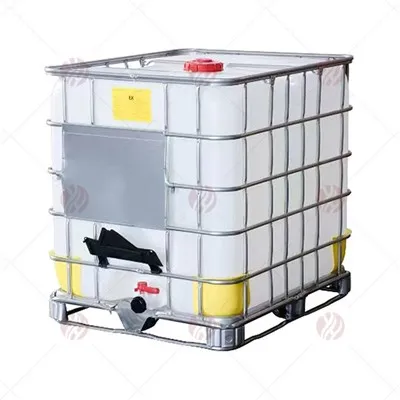
First off, let’s get one thing straight: when we say “pre-assembled IBC tanks,” we’re not talking about those cheap, one-off units that you’ll cringe at when you try to move a valve after a month. Our pre-assembled units (and most quality ones, I’ll add) are built to last – and that means they’re designed with disassembly in mind, not just one-way shipping. A lot of guys I know in the industry mix up “pre-assembled” with “permanently assembled” – and that’s a huge mistake. Pre-assembled just means we put the whole thing together at our facility before it hits your dock, not that it’s welded shut forever. That’s a key distinction that saves so many headaches later.
Let’s talk about the parts first, because that’s where the ease (or lack thereof) comes from. Your standard IBC is three main parts: the inner liner (usually HDPE), the metal cage (steel or galvanized), and the top/bottom fittings. For our pre-assembled tanks, every single connection is designed to be tool-accessible, not fused. The cage, for example – it’s not spot-welded in a way that’ll snap if you try to pry it. We use bolted connections for the cage legs, not permanent welds, for exactly this reason. Last month, we had a customer in the food-grade transport business who needed to downsize their fleet by 12 units, so they took all their old pre-assembled tanks apart, kept the cages, and just swapped in new food-safe liners. That would’ve been impossible if the cage was welded on. The whole disassembly process for that? Took two guys about 45 minutes per tank, tops. No fancy tools – just a socket wrench and a rubber mallet (for gently tapping the cage free from the liner if it’s been sitting outside in rain a bit).
Now, what about the more delicate parts – like the valve and the dip tube? Those are the parts that people usually stress about, because they don’t wanna break something and have to buy a whole new tank. Our pre-assembled tanks feature threaded fittings for the valve and dip tube, not glue or press-fit connections. So when you need to take them apart, you just use a pipe wrench (or even an adjustable one, if you’re not a pro) to loosen the valve from the top bung. Last quarter, we had a client who was switching from acid to a neutral cleaning solution, so they swapped out the chemical-resistant valve liner without having to replace the whole tank. That’s the kind of flexibility that matters. I’ve seen guys with “non-pre-assembled” tanks have to use a heat gun to get a stuck valve off, which not only ruins the valve but can warp the HDPE liner if you’re not careful. We never do that with our units – pre-assembled here means field-serviceable, not just pre-built.
Wait, but what about if you’ve had the tank for years, left it out in the sun, maybe the metal cage has a little rust? Does that make disassembly harder? Honestly, that’s a fair question – I’d be lying if I said every tank disassembles in 2 minutes, even a well-built one. But here’s the thing: we use hot-dip galvanized steel for our cages, which resists rust way better than plain steel. And even if a bolt gets a little corroded, a little penetrating oil (WD-40 works, I swear, no need for fancy industrial stuff) and a tap with a mallet usually loosens it right up. We had a guy reach out to us last year with a 7-year-old pre-assembled tank he’d bought used elsewhere, and he couldn’t get the cage off. He reached out, and we walked him through using a wire brush to clean the bolt threads, then a little penetrating oil – took him 15 minutes, and he had the liner out no problem. That’s not a “special case” – that’s just normal wear and tear, and our design accounts for it.
Now, let’s talk about when you’d actually want to disassemble a pre-assembled tank, because that’s part of the question too. A lot of people think disassembly is just for “breaking down a tank to throw it away,” but no – it’s for reusing parts, which is a big deal for sustainability and costs. The EPA’s got data that says reconditioning IBCs cuts waste from plastic and metal by like 60% compared to buying new ones, and being able to disassemble means you can repair only what’s broken, not the whole unit. For example, if your HDPE liner gets a tiny puncture, you don’t have to scrap the metal cage – you just take the tank apart, replace the liner, and put it back together. That’s way cheaper than a new tank, and way better for the planet. We actually have a lot of regulars who buy our pre-assembled tanks just for this reason – they run a fleet of 50+ units, and every 2 years, they disassemble half of them to swap liners, so they don’t have to spend $500+ on a new tank each time.
But wait, let’s be real – it’s not all sunshine and rainbows. There are some pre-assembled IBCs out there that are impossible to disassemble, and you’ve probably seen them. The cheap ones from overseas, where the cage is welded shut, the liner is glued in, and the valve is press-fit. Those are the ones where if you try to take them apart, you’ll either crack the liner, bend the cage, or snap the valve – and then you’re stuck with a $1000 paperweight. That’s why when we talk about pre-assembled tanks being easy to disassemble, we’re specifically talking about high-quality, purpose-built pre-assembled units, not the no-name ones you find on auction sites for half the price. That’s the key distinction most “myth-busting” articles don’t make.
Let me give you a real example from last month. We had two different customers call us within a week, one who had bought our pre-assembled tanks and one who’d bought a competitor’s “pre-assembled” ones. The first customer needed to downsize, so they took their 8 tanks apart in a day, reused all the cages, and bought 8 new liners for a different product. The second customer tried to disassemble their tanks when they switched to a smaller product line, and ended up with 5 cracked liners, 2 bent cages, and had to throw away the whole set. The difference? Our design is modular – every part is designed to be removed without damaging others, while the competitor’s tanks were “pre-assembled” as a marketing buzzword, not a functional design.
Now, let’s talk about how easy the disassembly actually is, step by step, in case you’re wondering. For our standard 275-gallon pre-assembled IBC: first, you drain the tank and clean the liner (important for safety, duh). Then, you loosen the four bolted connections on the cage legs – two per side. Then, you gently lift the cage up and off the liner (it’ll slide right off, no prying needed if you do it slow). Then, to get the valve off, you just use an adjustable wrench to turn it counterclockwise from the top bung. The dip tube unscrews the same way. That’s it – takes two people, no special tools, and about 30 minutes total per tank. Putting it back together is just as easy, if not easier.
I know what some of you are thinking: “What about OSHA or safety standards? Disassembling a tank can’t be safe, right?” Look, we design every part with safety in mind, and disassembly is actually safer than trying to modify a non-pre-assembled tank. Because all the parts are clearly marked, there’s no guesswork. You don’t have to grind or weld on anything, which reduces the risk of sparks or injury. We actually train all our customers on disassembly and reassembly when they pick up their tanks, and we’ve got a 2-minute video on our site that walks you through it. Last year, we had a customer who let their intern do the disassembly of 10 tanks, and he got it done no problem – as long as you follow the basic steps, it’s not hard.
Wait, one more thing: what about regulatory stuff, like if you’re using these tanks for hazardous materials? Can you disassemble a pre-assembled tank that’s held chemicals? Short answer: yes, as long as you follow the proper cleaning procedures. We work with a lot of chemical processing plants that have to recondition their IBCs for different chemicals, and disassembling is a standard part of their process. The key is making sure the liner is fully drained and neutralized before you take it apart, which is a requirement for any IBC, not just ours. So if you’re following industry safety rules, disassembly is totally compliant.
Let’s wrap this up, because I know you’re tired of reading. The answer to “Are pre-assembled IBC tanks easy to disassemble if needed?” is: Yes – if you’re buying a quality, modular pre-assembled IBC that’s designed for that exact purpose. The cheap, overseas ones that call themselves pre-assembled? No, they’re a pain to take apart and might get damaged. But the good ones, built with bolted cage connections, threaded fittings, and HDPE liners that aren’t glued in? Super easy, flexible, and saves you a ton of money and waste down the line.

If you’re in the market for pre-assembled IBC tanks, whether you need 5 or 500, and you wanna ask more about disassembly, reconditioning, or just want to chat through your specific use case, hit us up. We don’t do pushy sales stuff – just honest answers, and we’ll even walk you through disassembly tips if you need ‘em. No weird links, no hoops, just a real conversation about what you need.
IBC Plastic Pallet References:
- U.S. Environmental Protection Agency. (2022). Industrial Reusable Bulk Container Waste Reduction Guidelines.
- Occupational Safety and Health Administration. (2021). IBC Tank Handling and Modification Safety Standards.
- International Bulk Container Association. (2023). Pre-Assembled IBC Design and Durability Report.
Zhenjiang Yuanhai Packaging Co., Ltd.
We’re well-known as one of the leading pre-assembled IBC tank manufacturers and suppliers in China, featured by quality products and good price. Please rest assured to buy high-grade pre-assembled IBC tank for sale here from our factory. We also accept customized orders.
Address: No. 9, Danwu Road, Dantu District, Zhenjiang City
E-mail: chin_john@msn.com
WebSite: https://www.yhibc.com/
