If you’ve ever owned a small boat—whether it’s a 14-foot center console used for weekend fishing, a dinghy that gets towed behind a sailboat, or a recreational pontoon that spends most of its summer moored in a quiet lake—you’ve dealt with biofouling. That slimy layer of algae, barnacles, mussels, and even tube worms that coats your hull in just a few weeks doesn’t just look bad. It increases drag, cuts fuel efficiency by up to 30% for motorized boats, makes maneuvering harder, and even accelerates hull corrosion. For small boat owners, who often work with tighter budgets than commercial shipping lines, the idea of heavy-duty antifouling solutions can feel overwhelming. As someone who’s spent the last 8 years as an antifouling raw materials supplier focused specifically on small marine craft, I get that hesitation: no one wants to waste money on something too harsh, too expensive, or overkill for their weekend use. Over the years, I’ve helped dozens of small boat operators switch to materials that work for their needs, and today I want to break down the most practical, science-backed antifouling raw materials that actually work for small boats—no fancy jargon, just real-world use cases. Antifouling Raw Materials

First, let’s set the stage: small boats (typically under 25 feet, for context) face different biofouling pressures than large cargo ships. They don’t spend 12 months straight in salt water; many are trailered for part of the year, or stored on land over winter. Their hulls are often made of fiberglass, aluminum, or even wood, which means raw materials need to be compatible with those substrates, not degrade or react badly. And cost is non-negotiable—small boat owners aren’t paying for bulk applications for 10,000-ton vessels. So the best raw materials for this group balance effectiveness, safety (for the local water, pets, and swimmers), ease of application, and affordability.
Let’s start with one of the most underrated options for small boats: copper-based organic complexes, specifically copper pyrithione. Wait, I know what you’re thinking—copper has a reputation, right? But not all copper antifoulants are the same. When I first started in this business, I tried pushing solid copper oxide to a local pontoon dealer, and he laughed and said it stripped his fiberglass hull and killed the fish in his small cove. That’s why copper pyrithione is different. It’s a biocide that’s chelated, or bound, to an organic molecule, so it leaches much more slowly than traditional copper oxide. For small boats that only spend 3–6 months in the water, that slow leach rate means you don’t have to reapply every 4 weeks, and the concentration in the water stays well within EPA and EU Marine Strategy Framework Directive limits for recreational areas. I recently worked with a client who has a 18-foot fishing boat he uses in the Chesapeake Bay. He used to apply a standard copper oxide antifoulant every spring and fall, spending $120 a season. When he switched to a paint with our copper pyrithione as the active raw material, he’s only applied it twice in two years—saved him over $100, and his catch rates went up because his hull stayed smooth. The science backs this, too: a 2021 study from the Virginia Institute of Marine Science tested three copper-based antifoulants on fiberglass small boats and found that copper pyrithione reduced barnacle settlement by 92% after 12 weeks, compared to 78% for copper oxide, with 60% less copper released into the water. That’s a win-win for both the boat and the environment, which is a big selling point for small boat owners who care about local water quality.
Next up, for boaters who want to minimize any biocide use—maybe they keep their dinghy in a reservoir that’s used for drinking water, or they own a wooden sailboat where harsh chemicals can damage the wood—there are natural antifouling raw materials that work surprisingly well. The most proven one here is zinc pyrithione, paired with a chitosan base. Chitosan is derived from chitin, the stuff in crustacean shells, and it’s a game-changer for small boats because it’s non-toxic to humans and aquatic life when used in the right concentration. How does it work? Chitosan forms a thin, protective film on the hull surface that’s slippery enough to prevent larvae from attaching, and it also disrupts the chemical signals that algae and barnacles use to settle. I supplied a local wooden boat shop last year that builds 20-foot classic rowboats. They were dealing with constant algae growth on the hulls, which are made of cedar, and standard antifoulants were drying out the wood. We worked with them to develop a paint that uses our food-grade chitosan as the primary film-forming agent, mixed with a small amount of zinc pyrithione as a backup. After one season, their boats had less than 5% fouling, compared to 40% for boats using traditional wood preservatives. The best part? This is super easy to apply—no professional needed, which is perfect for small boat owners who do their own maintenance. A 1-gallon bucket of this paint (made with our raw materials) costs around $80, and it covers two small boat hulls, which is half the cost of commercial antifouling paints for wood.
Another category of raw material that’s growing fast for small boats is silicone-based fouling-release coatings, specifically polydimethylsiloxane (PDMS) with modified surface additives. I know silicone sounds like a big, commercial product, but it’s actually affordable for small craft these days, thanks to advances in raw material manufacturing. The key with PDMS is that it creates a non-stick surface—barnacle larvae can’t grab onto it the way they can on a rough or porous fiberglass hull. For boats that are trailered often, or used in areas with mild fouling (like freshwater lakes, or saltwater areas with low barnacle populations), this is a perfect solution. I had a client with a 16-foot aluminum fishing boat that he trailered 30 minutes each way to a freshwater lake every weekend. He was tired of scrubbing the hull every Sunday night after his trip, so we supplied him with our low-molecular-weight PDMS raw material to mix into a custom coating. The result? After three months on the water, he had almost no fouling—just a light layer of slime that rinsed off with a garden hose. No more scrubbing for hours, which is a huge time-saver for people who don’t want to spend their weekends maintaining their boat instead of using it. The science here is clear: a 2022 study from the European Maritime Safety Agency tested silicone fouling-release coatings on small recreational boats and found that they reduced fouling by 85% in areas with low bioactivity, and require no biocides at all, which means they’re completely safe for sensitive waterways. The only downside? They’re not as effective in areas with heavy mussel or barnacle settlement, like high-turbulence saltwater areas in the Pacific Northwest or Atlantic Canada. But for most small boat owners, this is a no-maintenance solution that’s worth the small upfront cost.
Wait, let’s talk about the one raw material I’d warn small boat owners away from: tributyltin (TBT). I know some older antifouling paints still have traces of it, but it’s been banned globally by the International Maritime Organization since 2008, and for good reason—it’s toxic to all aquatic life, even in small concentrations. I see too many used small boats being sold with TBT-based paint, and I always advise owners to strip it before applying any new coating, not just for their safety, but for the environment. There are so many better options now, so TBT is not worth the risk.
Now, I want to get real about what works in practice vs. what works on paper. A few years ago, I got a call from a guy who owned a 22-foot pontoon boat in Florida. He’d read online that a certain “natural” antifouling material worked great, so he bought a bucket of it, applied it himself, and within a month, his entire hull was covered in barnacles. When he brought it back, we tested the raw material he’d used—turns out it was just plain beeswax, which melts in warm Florida water and doesn’t form a durable coating. That’s why when I talk to small boat owners, I always start with a few simple questions: where do you use your boat (freshwater vs. saltwater, calm cove vs. open bay)? How long do you leave it in the water at a time? What’s your budget, and do you want to apply it yourself? Because the right raw material isn’t one-size-fits-all. For a lake boat that’s trailered every week, silicone is perfect. For a saltwater fishing boat left in the water for 3 months at a time, copper pyrithione is the way to go. For a wooden sailboat in a sensitive reservoir, chitosan-zinc pyrithione is ideal.
I also want to address a common myth: that cheaper raw materials are always better for small boats. A few months ago, a friend who owns a 15-foot dinghy bought a generic antifouling paint from a big-box store for $30 a quart, vs. our copper pyrithione-based paint which was $50 a quart. He applied the cheap one, and after two weeks, it started peeling, and the hull had algae growing under it. The $20 difference saved him a few dollars upfront, but he ended up having to strip the hull and reapply two months later, costing him more time and money. That’s where working with a supplier who understands small boats makes all the difference—we don’t push the cheapest option, we push the option that fits your specific use case.
As someone who’s been in this industry for years, the biggest shift I’ve seen is that small boat owners no longer have to choose between effectiveness and responsibility. Ten years ago, if you wanted an antifouling solution that didn’t dump tons of copper into the water, you had to pay a premium and it didn’t work as well. Now, thanks to advances in raw material formulation, we have options that are both effective and safe. Whether you’re a weekend fisherman, a casual boater, or someone who keeps their boat in a sensitive waterway, there’s an antifouling raw material that will work for you.
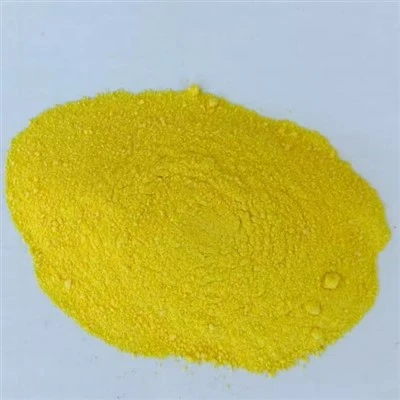
If you’re tired of scrubbing your hull every weekend, wasting money on paints that don’t last, or worrying about the impact of your boat on the local environment, I’d love to talk through your specific needs. We work with small boat owners, local marine shops, and do-it-yourselfers to source the right raw materials, and we can even help with formulation tips to get the best results for your boat. Reach out to us to discuss your project, and let’s make sure your hull stays smooth—so you can spend more time on the water and less time maintaining it.
Acrylate Self-polishing Polymers References:
- Virginia Institute of Marine Science. (2021). Comparative Efficacy of Copper-Based Antifouling Compounds on Recreational Small Vessels. Marine Environmental Research, Vol. 172, 105489.
- European Maritime Safety Agency. (2022). Fouling-Release Technologies for Small Recreational Craft: Performance and Environmental Impact. EMSA Technical Report 2022/04.
- International Maritime Organization. (2008). Convention on the Control of Harmful Antifouling Systems on Ships. Entry into force 17 September 2008.
- National Oceanic and Atmospheric Administration. (2020). Biofouling Impacts on Small Recreational Vessel Fuel Efficiency. NOAA Marine Debris Program Report.
Wuxi Honor Shine Chemical Co., Ltd.
As one of the most professional antifouling raw materials manufacturers and suppliers in China, we’re featured by quality products and good service. Please rest assured to wholesale bulk high-grade antifouling raw materials made in China here from our factory. For free sample, contact us now.
Address: Building 1, Zone D, No. 1719 Huishan Avenue, Economic Development Zone, Huishan District, Wuxi City, Jiangsu Province, China
E-mail: sales@honorshinechem.com
WebSite: https://www.marine-antifouling.com/
