Introduction to Non – custom
Non – custom products refer to standardized goods that are mass – produced according to pre – set specifications and designs, rather than being tailored to individual customer requirements. These products are readily available in the market, offering cost – effectiveness, quick delivery, and consistent quality. Non – custom suppliers play a crucial role in various industries by providing a wide range of standardized solutions that meet the general needs of customers. Non-custom
Top 10 Non – custom Suppliers
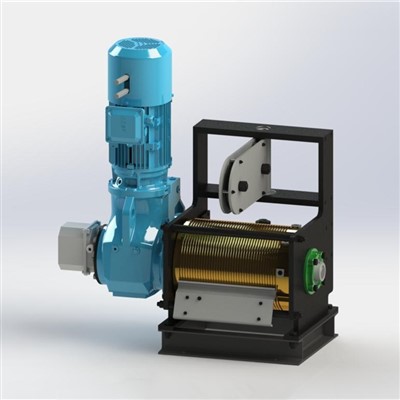
1. JIANGSU HONGBO STAGE EQUIPMENT SCIENCE AND TECHNOLOGY CO., LTD.
JIANGSU HONGBO STAGE EQUIPMENT SCIENCE AND TECHNOLOGY CO., LTD. is a leading enterprise in the stage equipment industry. It is committed to the research, development, production, and sales of a variety of stage equipment. The company has a professional R & D team and advanced production equipment, which enables it to produce high – quality stage equipment that meets international standards.
Non – custom Features:
- Standardized Designs: The company offers a wide range of stage equipment with pre – designed and standardized models. These designs are based on market research and industry best practices, ensuring that they can meet the common needs of stage construction projects.
- Mass Production: With its advanced production line, the company can mass – produce these non – custom products, which helps to reduce costs and improve production efficiency.
- Quick Delivery: Thanks to the mass production and well – managed inventory system, the company can provide quick delivery services for its non – custom stage equipment.
Advantages:
- Quality Assurance: The company adheres to strict quality control procedures throughout the production process. Every product undergoes a series of quality inspections to ensure its safety and reliability.
- Rich Experience: Having been in the industry for many years, the company has accumulated rich experience in stage equipment production. This allows them to continuously improve their products and services.
- Technical Support: The company provides professional technical support to its customers. Whether it is installation guidance or after – sales maintenance, their technical team can offer timely and effective solutions.
Website: https://www.hbstageequipment.com/
2. Samsung Electronics Co., Ltd.
Samsung Electronics is a global leader in the electronics industry. It has a wide range of product portfolios, including smartphones, tablets, televisions, and home appliances. The company is known for its innovation, advanced technology, and high – quality products.
Non – custom Features:
- Global Standardization: Samsung’s products follow global standards in terms of design, performance, and features. This enables them to be sold in multiple markets around the world without major customization.
- Large – scale Production: With multiple manufacturing plants around the world, Samsung can mass – produce its non – custom electronics products, ensuring a stable supply in the market.
- Unified Product Specifications: The company sets unified product specifications for each product line, which simplifies the production process and guarantees consistent quality.
Advantages:
- Technological Innovation: Samsung invests heavily in research and development, constantly introducing new technologies and features in its products. This gives its non – custom products a competitive edge in the market.
- Strong Brand Image: The Samsung brand is widely recognized and trusted by consumers worldwide. This brand strength helps to drive sales of its non – custom products.
- Comprehensive After – sales Service: Samsung provides a comprehensive after – sales service network, including warranty, repair, and technical support, which enhances customer satisfaction.
3. Toyota Motor Corporation
Toyota is one of the largest and most well – known automobile manufacturers in the world. It is famous for its reliable cars, efficient production methods, and continuous improvement philosophy.
Non – custom Features:
- Platform – based Production: Toyota uses platform – based production for many of its models. This means that multiple car models can share the same underlying platform, allowing for mass production of non – custom components.
- Standardized Trim Levels: The company offers standardized trim levels for its cars, with a set of pre – determined features and options. This simplifies the production and purchasing process for customers.
- Global Model Line – up: Toyota has a global model line – up that is designed to meet the general needs of consumers in different markets without excessive customization.
Advantages:
- Lean Manufacturing: Toyota’s lean manufacturing system, known as the Toyota Production System, enables efficient and cost – effective production of non – custom cars. It reduces waste and improves quality control.
- Reliability and Durability: Toyota cars are renowned for their reliability and durability. This reputation attracts customers who are looking for non – custom vehicles that can last a long time.
- Environmental Initiatives: The company is actively involved in environmental initiatives, such as the development of hybrid and electric vehicles. This makes its non – custom car models more environmentally friendly and appealing to a wide range of customers.
4. BASF SE
BASF is the world’s largest chemical company, offering a diverse range of chemical products, including plastics, performance chemicals, and agricultural solutions.
Non – custom Features:
- Product Catalog: BASF has a comprehensive product catalog of non – custom chemical products. These products are produced in large quantities according to standardized formulas.
- Industry – standard Quality: The company’s non – custom chemicals meet industry – standard quality requirements, ensuring their compatibility and performance in various applications.
- Global Supply Network: With a global supply network, BASF can efficiently distribute its non – custom products to customers around the world.
Advantages:
- Research and Development: BASF invests significantly in research and development to improve the quality and performance of its non – custom chemical products. It also explores new applications and markets for these products.
- Technical Expertise: The company has a team of technical experts who can provide customers with professional advice on the use and selection of its non – custom chemicals.
- Sustainable Development: BASF is committed to sustainable development in its chemical production. Many of its non – custom products are designed to be more environmentally friendly and energy – efficient.
5. Siemens AG
Siemens is a multinational technology company that operates in various sectors, including energy, healthcare, and industrial automation.
Non – custom Features:
- Modular Design: Siemens uses modular design principles in many of its products, such as industrial control systems and medical equipment. These modular products can be combined and configured according to standard specifications, reducing the need for custom – made solutions.
- Standardized Functionality: The company’s non – custom products have standardized functionality that meets the general requirements of different industries.
- Compliance with Standards: Siemens’ non – custom products comply with international and industry standards, ensuring their interoperability and safety.
Advantages:
- Technological Leadership: Siemens is at the forefront of technological innovation in many of its operating sectors. Its non – custom products often incorporate the latest technologies, providing high – performance solutions to customers.
- Global Service Network: The company has a global service network that can provide customers with installation, maintenance, and repair services for its non – custom products.
- Strong R & D Capabilities: Siemens’ strong R & D capabilities enable it to continuously upgrade and improve its non – custom product portfolio to meet the evolving needs of the market.
6. Sony Corporation
Sony is a well – known Japanese company that is active in the fields of electronics, entertainment, and gaming.
Non – custom Features:
- Flagship Product Series: Sony has several flagship product series, such as the PlayStation gaming consoles and the Bravia televisions. These products are mass – produced with standardized features and designs.
- Series – based Updates: The company introduces series – based updates to its non – custom products. For example, new PlayStation models are released with incremental improvements over the previous ones.
- Global Market Strategy: Sony’s non – custom products are designed with a global market in mind, ensuring that they can be sold in different regions with few modifications.
Advantages:
- Innovation in Entertainment: Sony is known for its innovation in the entertainment industry. Its non – custom gaming consoles and audio – visual products often feature cutting – edge technologies and unique user experiences.
- Brand Loyalty: The Sony brand has a large and loyal customer base. Consumers trust the quality and performance of Sony’s non – custom products, which drives repeat purchases.
- Content Ecosystem: Sony has a rich content ecosystem, especially in the gaming and entertainment sectors. This ecosystem enhances the value of its non – custom products and provides a more comprehensive user experience.
7. Phillips 66
Phillips 66 is a major energy company that is involved in the exploration, production, refining, and marketing of petroleum products.
Non – custom Features:
- Standard Specifications for Fuels: The company produces petroleum products, such as gasoline and diesel, according to standard industry specifications. These non – custom fuels are widely used in the transportation and industrial sectors.
- Refinery – based Production: Phillips 66’s refineries are optimized for the mass production of non – custom petroleum products. The production processes are designed to ensure consistent quality.
- Fuel Blending Standards: The company adheres to strict fuel blending standards to meet environmental and performance requirements, making its non – custom fuels suitable for a wide range of applications.
Advantages:
- Vertical Integration: Phillips 66 has a high level of vertical integration in the energy value chain. This allows it to control the quality and cost of its non – custom petroleum products from production to distribution.
- Technological Expertise in Refining: The company has advanced refining technologies that enable it to produce high – quality non – custom fuels efficiently.
- Extensive Distribution Network: Phillips 66 has an extensive distribution network, including pipelines, terminals, and retail stations. This ensures the timely and reliable supply of its non – custom petroleum products to customers.
8. 3M Company
3M is a diversified technology company that manufactures a wide range of products, including adhesives, abrasives, and healthcare products.
Non – custom Features:
- Product Families: 3M organizes its products into different product families. Each family has a set of non – custom products with standardized features and performance characteristics.
- Universal Applications: Many of 3M’s non – custom products have universal applications across different industries. For example, its adhesives can be used in electronics, automotive, and construction.
- Packaging Standardization: The company standardizes the packaging of its non – custom products, making it easier for customers to identify and handle the products.
Advantages:
- Innovation and Patents: 3M is known for its innovation and holds a large number of patents. This allows it to continuously develop new non – custom products with improved performance and functionality.
- Quality and Reliability: 3M products are recognized for their high quality and reliability. Customers can trust the performance of its non – custom products in various applications.
- Diverse Product Portfolio: With a diverse product portfolio, 3M can meet the different needs of customers in multiple industries with its non – custom products.
9. Dow Inc.
Dow is a leading materials science company that provides a variety of chemical and plastic products.
Non – custom Features:
- General – purpose Polymers: Dow produces a range of general – purpose polymers, such as polyethylene and polypropylene, which are non – custom products used in many industries, including packaging, construction, and automotive.
- Production on a Large Scale: The company has large – scale production facilities for its non – custom products. This enables it to meet the high – volume demand in the market.
- Consistent Product Quality: Dow maintains strict quality control measures to ensure the consistent quality of its non – custom chemical and plastic products.
Advantages:
- Materials Science Expertise: Dow has in – depth materials science expertise. It can develop and optimize the properties of its non – custom products to meet the specific requirements of different applications.
- Sustainable Solutions: The company is committed to providing sustainable solutions in its non – custom product offerings. For example, it develops biodegradable polymers and energy – efficient materials.
- Global Customer Base: Dow has a global customer base, which allows it to gain valuable market feedback and continuously improve its non – custom product portfolio.
10. Unilever PLC
Unilever is a multinational consumer goods company that offers a wide range of products, including food, beverages, personal care products, and home care products.
Non – custom Features:
- Mass – market Brands: Unilever’s well – known mass – market brands, such as Dove, Lipton, and Knorr, offer non – custom products with standardized formulations and packaging.
- Global Product Roll – out: The company has a global product roll – out strategy for its non – custom products. This ensures that consumers in different countries can access the same high – quality products.
- Standardized Marketing Campaigns: Unilever uses standardized marketing campaigns for its non – custom products in many regions, which helps to build brand awareness and drive sales.
Advantages:
- Consumer Insights: Unilever has a deep understanding of consumer needs and preferences. This enables it to develop non – custom products that are appealing to a wide range of consumers.
- Sustainable Sourcing: The company is committed to sustainable sourcing in its supply chain. This makes its non – custom products more environmentally friendly and socially responsible.
- Strong Distribution Network: Unilever has a strong global distribution network that ensures the efficient delivery of its non – custom consumer goods to retailers and end – consumers.
Stage Mechanical Equipment In conclusion, these top 10 non – custom suppliers play important roles in their respective industries. Their standardized products, efficient production methods, and strong brand images contribute to the stable development of the global market.
