Folding large-sized containers is a skill that combines efficiency, safety, and proper technique. As a supplier of folding containers, I’ve witnessed the importance of knowing how to fold these units correctly to maximize their space-saving benefits and ensure their longevity. In this blog, I’ll share the step-by-step process of folding a large-sized folding container, along with some tips and best practices. Folding Container
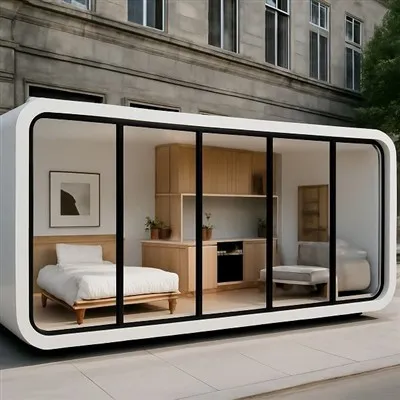
Understanding the Basics of Folding Containers
Before we dive into the folding process, it’s essential to understand what a folding container is and why it’s a valuable asset. A folding container is a versatile storage solution designed to be easily assembled and disassembled. It’s constructed with collapsible panels and hinges that allow it to transform from a fully functional storage unit to a flat, compact form. This feature makes folding containers ideal for transportation, storage, and reuse, as they can significantly reduce the amount of space required when not in use.
Tools and Materials Required
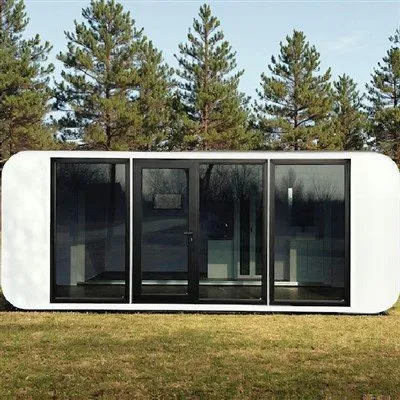
To fold a large-sized folding container safely and efficiently, you’ll need the following tools and materials:
- Safety Equipment: Gloves, safety glasses, and a hard hat are essential to protect yourself from potential injuries.
- Lifting Equipment: Depending on the size and weight of the container, you may need a forklift, crane, or other lifting equipment to move and position the container during the folding process.
- Cleaning Supplies: A broom, dustpan, and cleaning solution can be used to remove any debris or dirt from the container before folding.
Step-by-Step Guide to Folding a Large-Sized Folding Container
Step 1: Preparation
- Empty the Container: Before folding the container, make sure it’s completely empty. Remove any items, debris, or equipment from the interior of the container.
- Inspect the Container: Conduct a thorough inspection of the container to identify any damage or issues that may affect the folding process. Check the hinges, locks, and panels for signs of wear and tear.
- Clean the Container: Clean the interior and exterior of the container to remove any dirt, dust, or debris. This will help prevent damage to the container during the folding process and ensure its longevity.
Step 2: Unlock the Panels
- Locate the Locks: On most large-sized folding containers, the panels are secured with locks or latches. Locate the locks on each panel and unlock them using a key or a hand tool.
- Remove Any Obstacles: Before folding the panels, make sure there are no obstacles or debris that could prevent them from folding properly. Clear the area around the container and remove any items that may be blocking the hinges or locks.
Step 3: Fold the Side Panels
- Lower the Side Panels: If your container has removable side panels, start by lowering them to a horizontal position. Use a forklift or other lifting equipment to support the panels and prevent them from falling.
- Fold the Panels Inward: Once the side panels are lowered, fold them inward towards the center of the container. Make sure the panels are aligned properly and that the hinges are functioning correctly.
- Secure the Panels: Once the side panels are folded, secure them in place using the locks or latches provided. This will prevent the panels from unfolding during transportation or storage.
Step 4: Fold the End Panels
- Lower the End Panels: Similar to the side panels, lower the end panels to a horizontal position using a forklift or other lifting equipment.
- Fold the Panels Inward: Fold the end panels inward towards the center of the container. Make sure the panels are aligned properly and that the hinges are functioning correctly.
- Secure the Panels: Once the end panels are folded, secure them in place using the locks or latches provided. This will prevent the panels from unfolding during transportation or storage.
Step 5: Collapse the Roof
- Locate the Roof Supports: If your container has a removable roof, locate the roof supports and remove them using a hand tool or a forklift.
- Lower the Roof: Use a forklift or other lifting equipment to lower the roof to a horizontal position. Make sure the roof is supported properly and that it doesn’t damage the container or the surrounding area.
- Fold the Roof Inward: Fold the roof inward towards the center of the container. Make sure the roof is aligned properly and that the hinges are functioning correctly.
- Secure the Roof: Once the roof is folded, secure it in place using the locks or latches provided. This will prevent the roof from unfolding during transportation or storage.
Step 6: Final Checks
- Inspect the Folded Container: Once the container is folded, conduct a final inspection to ensure that all the panels are secured in place and that the hinges are functioning correctly. Check the locks and latches to make sure they’re properly engaged.
- Store the Container: If you’re not transporting the container immediately, store it in a safe and secure location. Make sure the container is protected from the elements and that it’s not at risk of being damaged.
Tips and Best Practices
- Follow the Manufacturer’s Instructions: Always refer to the manufacturer’s instructions when folding a large-sized folding container. The instructions will provide specific guidance on how to fold the container safely and efficiently.
- Use the Right Equipment: Make sure you have the right equipment and tools for the job. This will help prevent injuries and ensure that the folding process is completed smoothly.
- Work with a Team: Folding a large-sized folding container can be a challenging task, especially if you’re working alone. Consider working with a team of experienced professionals to ensure that the folding process is completed safely and efficiently.
- Maintain the Container: Regularly inspect and maintain your folding container to ensure its longevity. This includes cleaning the container, lubricating the hinges, and checking the locks and latches for signs of wear and tear.
Conclusion
Space Capsule Folding a large-sized folding container is a skill that requires patience, precision, and proper technique. By following the step-by-step guide and tips outlined in this blog, you can safely and efficiently fold your container and maximize its space-saving benefits. Remember to always follow the manufacturer’s instructions and use the right equipment and tools for the job. If you have any questions or need further guidance, don’t hesitate to contact us. We’re here to help you with all your folding container needs.
References
- Industry standards and guidelines for folding containers.
- Manufacturer’s manuals and instruction guides.
- Personal experience and expertise as a folding container supplier.
Aoborui Seiko Technology (Weifang) Co., Ltd.
As one of the most professional folding container manufacturers and suppliers in China, we also support customized service. Please feel free to wholesale high-grade folding container made in China here from our factory. Welcome to view our website for more information.
Address: Building 38, Zhongnan High-tech, Weifang Yuandu Huizhi Industrial Park, No. 3999, Taixiang Street, Hanting District, Weifang City, Shandong Province
E-mail: admin@sino-abr.com
WebSite: https://www.sinoabr.com/
