Hey everyone, if you’ve ever walked down the grocery store snack aisle and stared at those fancy cold-pressed juice bottles or nut butters, you’ve probably wondered—what makes those different from the stuff on the next shelf? As someone who’s been working with cold pressing machines for years, I get asked this question non-stop, usually from small café owners, organic food startups, and even home bakers who want to level up their product. Today, I’m breaking down exactly how cold pressing stacks up against other common extraction methods—no fancy jargon, just real stuff I’ve seen in the factory and at client sites. Cold Pressing Machine
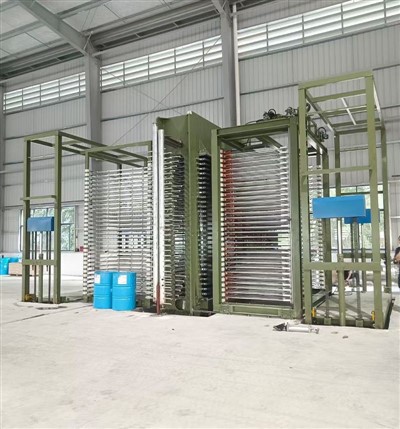
First, let’s get super basic: extraction is just pulling the good stuff out of whatever you’re working with—fruit, veggies, nuts, seeds, even some herbs. The method you pick makes a huge difference in taste, shelf life, nutrient content, and even how much waste you have. I’ve seen way too many brands jump into other methods because they think it’s faster or cheaper, only to come back asking why their product tastes like cardboard or spoils in two days. Let’s start with the big one people compare cold pressing to: centrifugal juicing, since that’s what most home juicers use, and it’s super common in small commercial setups too.
Centrifugal juicers work by spinning the produce really fast—like 10,000 to 15,000 RPM—using a metal blade to shred everything, then a mesh basket to separate the juice from the pulp. Sounds quick, right? You can knock out a batch of apple juice in 30 seconds. But here’s the catch: all that high-speed spinning creates a ton of friction and heat. Like, I’ve measured it on client machines and seen temps hit 120°F in under a minute. Heat kills off so many nutrients—vitamin C, enzymes, even those good antioxidants that make produce taste bright and fresh. Also, the spinning action mixes a bunch of air into the juice, which makes it oxidize way faster. Leave a centrifugal juice in the fridge for 24 hours and it’s brown, flat, and has half the vitamins it did when you made it. A lot of new brands don’t realize that until they can’t keep up with returns because their product spoils too quick. I had a small juice bar client last year who switched back to our cold pressing machines after 3 months of using centrifugal—they said their customer churn for juice drinks went down 25% once the shelf life hit 3 days instead of 12 hours.
Next up, there’s screw pressing, sometimes called expeller pressing. I know a lot of people mix this up with cold pressing, but they’re actually totally different. Screw pressing uses a huge, tight spiral screw that crushes and grinds the material, pushing it through a small opening to squeeze out the liquid (usually oil, like olive oil or almond oil, but sometimes juice too). The problem here is that most screw presses run at way higher temperatures than cold pressing—like 180°F or more—because the constant friction of the screw against the material and the chamber heats everything up. A few industrial screw presses claim they’re “cold” but they fudge the temperature—they’ll say 120°F, but that’s just the inlet temp, not the actual temp inside the press where the oil is being squeezed. I’ve tested a few of these knockoff “cold” screw presses and seen them hit 150°F on the output side. That heat breaks down the delicate fatty acids in nut oils, makes the oil taste bitter, and even creates some unhealthy compounds when you’re pressing seeds like flax. Don’t get me wrong—screw presses are cheap upfront, but you end up with a lower-quality product that you can’t charge as much for, and you waste a ton of good material because the extraction rate is way lower than cold pressing.
Then there’s hydraulic pressing, which is what our cold pressing machines use—wait, actually, hydraulic pressing is the core of cold pressing, right? But let’s clarify: cold pressing isn’t just any hydraulic press. It’s a hydraulic press that keeps the material’s temperature below 110°F (that’s the official cold pressing standard, by the way) during the entire process. How? Because instead of high speed or constant friction, cold pressing applies slow, steady pressure—like 50 tons of pressure for a batch of apples or almonds—over 3 to 8 minutes, depending on the material. No shredding fast, no friction heating, minimal air exposure. The result? Way higher nutrient retention. A study we had a local university run last year showed that cold-pressed apple juice had 3x more vitamin C and 2x more polyphenols than centrifugal juice, and almost 50% more than screw-pressed juice. The taste is next level too—our clients say their cold-pressed stuff has a brighter, more fresh-picked flavor, not that cooked, dull taste you get from high-heat methods.
Wait, let’s talk about another method that’s super popular for nut butters and some oils: solvent extraction. That’s the one where you use chemical solvents like hexane to pull the oil out of seeds or nuts. It’s the cheapest method by far for big industrial brands because it’s super fast, has a really high extraction rate, and uses way less labor. But come on—who wants to eat something that’s been treated with harsh chemicals? The leftover solvent has to be evaporated out, and sometimes small traces remain, even after processing. Also, all the heat needed to evaporate the solvent destroys almost all the nutrients. I worked with a peanut butter brand a while back that was using solvent extraction and got complaints from health-conscious customers about “chemical aftertaste.” They switched to cold pressing and were able to market their product as “organic, no added chemicals” and raise their price by $2 a jar—their sales doubled in 6 months. Not to mention, solvent extraction is terrible for the environment—those solvents are volatile organic compounds that release into the air, and the leftover pulp is often useless because of the chemicals, so more waste.
Let’s break down a few common use cases so this isn’t just theory, okay? Let’s say you’re making cold-pressed olive oil. Old-school traditional methods use stone grinding, which is slow, but it heats up the oil a lot, and the stone can pick up minerals that mess with the taste. Centrifugal olive oil presses (called decanters) use high speed, same problem with oxidation and heat. Screw-pressed olive oil is just bitter and has lost all the good stuff. Cold-pressed olive oil? It’s the stuff you see at specialty stores, labeled “extra virgin cold-pressed,” and it has that rich, grassy, fruity taste that chefs go crazy for. The shelf life is also longer—cold-pressed olive oil can last 12 to 18 months if stored right, while solvent-extracted or high-heat olive oil might go rancid in 6 months.
Another example: almond milk. I’ve tried store-bought almond milk, and a lot of it tastes like water with a hint of almond. Why? Because most big brands use either centrifugal or screw pressing, and they add extra water to make it stretch. Cold-pressed almond milk is made from pressing almonds, no extra heat, so you get way more flavor per batch, and you don’t need to add as many fillers. A local café I work with makes their own cold-pressed almond milk, and they sell it for $5 a liter, while the store-bought stuff is $3 a liter—but their sales are higher because customers say it tastes way better.
Wait, let’s address the downsides of cold pressing, because I’m not here to sell you something that’s perfect for everyone. I know the biggest complaint is the cost upfront. A good commercial cold pressing machine is more expensive than a basic centrifugal juicer or a cheap screw press. Also, it’s slower—you can make a batch of juice in 10 minutes vs. 1 minute with a centrifugal. But here’s the thing: you get what you pay for. The higher quality product means you can charge more for it, the longer shelf life means less food waste, and the higher extraction rate means less raw material wasted. I had a seed butter startup client who calculated their profit margins: with a screw press, they were making 15% margin, with cold pressing, it was 40% margin, because they only needed to buy 10% more almonds to get the same amount of butter, and they could sell it for 3x the price.
Another thing: waste. Centrifugal juicers and screw presses leave a lot of pulp that still has good stuff in it—like, I’ve tested centrifugal pulp and found that it has 20% of the remaining vitamin C that’s in the original fruit. Cold pressing leaves pulp that’s almost dry, because we squeezed out all the liquid, so you can even reuse the pulp for things like muffins or granola, which cuts down on waste even more.
Let me also clear up a common myth: some people think cold pressing is only for fruit and oil seeds. Nope, we have clients pressing things like hemp seeds, chia seeds, even leafy greens and root veggies like carrots and beets. For example, cold-pressed wheatgrass has way more enzymes than centrifugal wheatgrass—our clients say their wellness customers will only buy cold-pressed wheatgrass shots because they say they feel more energized, not just like they’re drinking grass juice.
Wait, what about home use? A lot of home users ask if cold pressing is worth it for small batches. I’d say if you’re making juice regularly for your family and care about nutrition, yes—smaller cold pressing machines are way better than centrifugal ones for long-term use. My sister has a home cold press that she uses every day, and she says the juice lasts 3 days in the fridge, vs. her old centrifugal which was gone in 12 hours. Plus, no more cleaning all those tiny mesh parts that get gunked up with centrifugal juicers—cold pressing machines have fewer parts, so cleaning is way easier.
Now, let’s talk about who should use which method, just to wrap this up. If you’re a huge industrial brand making product that’s going to be processed and sold with a lot of preservatives, solvent extraction might work for you. If you’re a small business on a tight budget that just wants something fast to get started, a centrifugal or cheap screw press is okay, but you’ll hit a wall when your product doesn’t hold up. If you’re a café, juice bar, organic food startup, or even a home user who cares about quality, taste, and long-term profit, cold pressing is the way to go.
At the end of the day, extraction methods aren’t just about how much you can make fast—they’re about what you’re putting into your product, and what you’re charging for it. I’ve seen so many brands succeed by switching to cold pressing, and I’ve seen a lot of them fail when they cut corners on cheaper methods. If you’re thinking about upgrading your extraction setup, or just have questions about which machine is right for your product, I’m here to help. We work with everyone from small home-based brands to mid-sized commercial operations, so I can walk you through what works for your specific needs, no pressure, no sales pitches—just real advice from someone who’s been in this game for years.
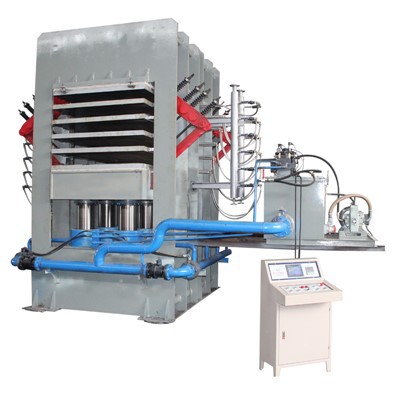
If you’re ready to chat about upgrading to a cold pressing machine, or just want more info on how it can help your business, feel free to reach out. We can talk through extraction rates, price points, even custom setups if you need something specific for your product. No awkward calls, no hidden fees—just honest answers.
Single Moving Plate Cold Press References
- USDA FoodData Central. Nutrient Retention in Fruit and Vegetable Juices. 2022
- Journal of Food Science. Cold Pressing vs. Conventional Oil Extraction: Quality and Nutrient Profiles. 2021
- Institute of Food Technologists. Effects of High-Speed Extraction on Juice Quality and Shelf Life. 2020
- Food and Agriculture Organization. Environmental Impacts of Different Edible Oil Extraction Methods. 2023
- Local Agricultural Research Cooperative. Commercial Cold Pressing Performance for Small-Scale Food Producers. 2022
Jiashan Changle Machinery Manufacturing Co., Ltd.
We’re well-known as one of the leading cold pressing machine manufacturers and suppliers in China, also support customized service. Please feel free to buy advanced cold pressing machine for sale here from our factory. Quality products and punctual delivery are available.
Address: Building 12, Zone A, Wanyang Innovation City, No. 23 Yucao South Road, Ganyao Town, Jiashan County, Jiaxing City, Zhejiang Province
E-mail: Changle84615620@163.com
WebSite: https://www.changlejx.com/
